
Triathlon in a nutshell: the global obsession explained
By Ollimono Magazine | 9 July 2025
You know the word. You might have even seen those alien-like humans cycling past you at 6 a.m. with aero-shielded glasses and sperm-like helmets on their heads. But unless you’ve done one, triathlon is still this oddly intimidating, slightly confusing sport that somehow mixes three races into one, all while keeping a very straight face.
Let’s break it down.
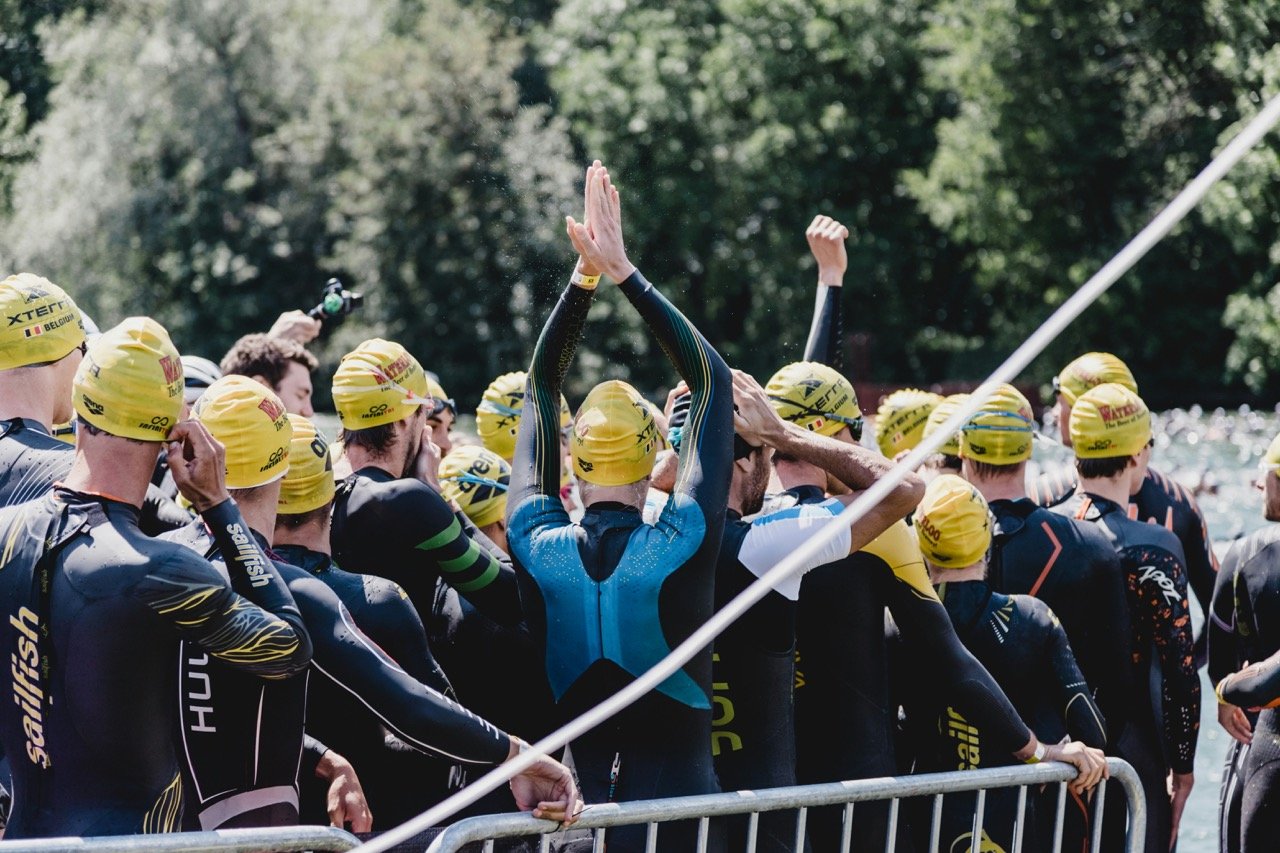
What Is a Triathlon?
In its simplest form, triathlon is a multi-sport endurance event made up of swimming, cycling, and running. You do them in that order. No breaks, no coffee in between. (Unless you stash one in transition. We don’t judge.)
Triathlon is not just one thing – it offers several disciplines with varying distances.
These are the most common:
- Sprint: 750m swim, 20km bike, 5km run
- Olympic Distance: 1.5km swim, 40km bike, 10km run
- Half IRONMAN (70.3): 1.9km swim, 90km bike, 21.1km run
- Full IRONMAN (140.6): 3.8km swim, 180km bike, 42.2km run
Sprint is the most intense discipline of a triathlon. Competitors are performing at their peak throughout the whole race. It is also the discipline used for para athletes competitions, and is an official Paralympic distance. While as IRONMAN is a branded global triathlon race series owned by The IRONMAN Group. IRONMAN (70.3) is probably the most popular and hyped distance among “commoners” and the elite athletes alike, when it comes to triathlon. There’re over 100 official IRONMAN (70.3) held throughout a single year in 50+ countries around the world.
It sounds like a lot. Because it is a lot. And yet, thousands of people do it every weekend.
Where did it all start? The modern version of triathlon was born in San Diego in the 1970s, but the IRONMAN as we know it took off in 1978 in Hawaii. It began with a military bet about who was fittest: swimmers, cyclists or runners. The answer was, apparently, yes to all three.
Triathlon became an official Olympic discipline at the Sydney 2000 Summer Olympics.
Why Triathlon?
Because it hurts. But in a good way.
Triathlon demands more than physical fitness. It demands strategy, emotional regulation, pain tolerance, and a certain love for discomfort. The appeal? You against yourself. It’s personal. And often, transformational.
“If you’re injured in one area, you shift disciplines. It’s built for recovery. That keeps you consistent.” said Ilya Slepov. That’s essentially triathlon in a sentence.
The sport is also famously addictive. Finish one, and you’ll suddenly be Googling where the next triathlon is held, and what’s the most scenic IRONMAN route in the world?
The Anatomy of a Race
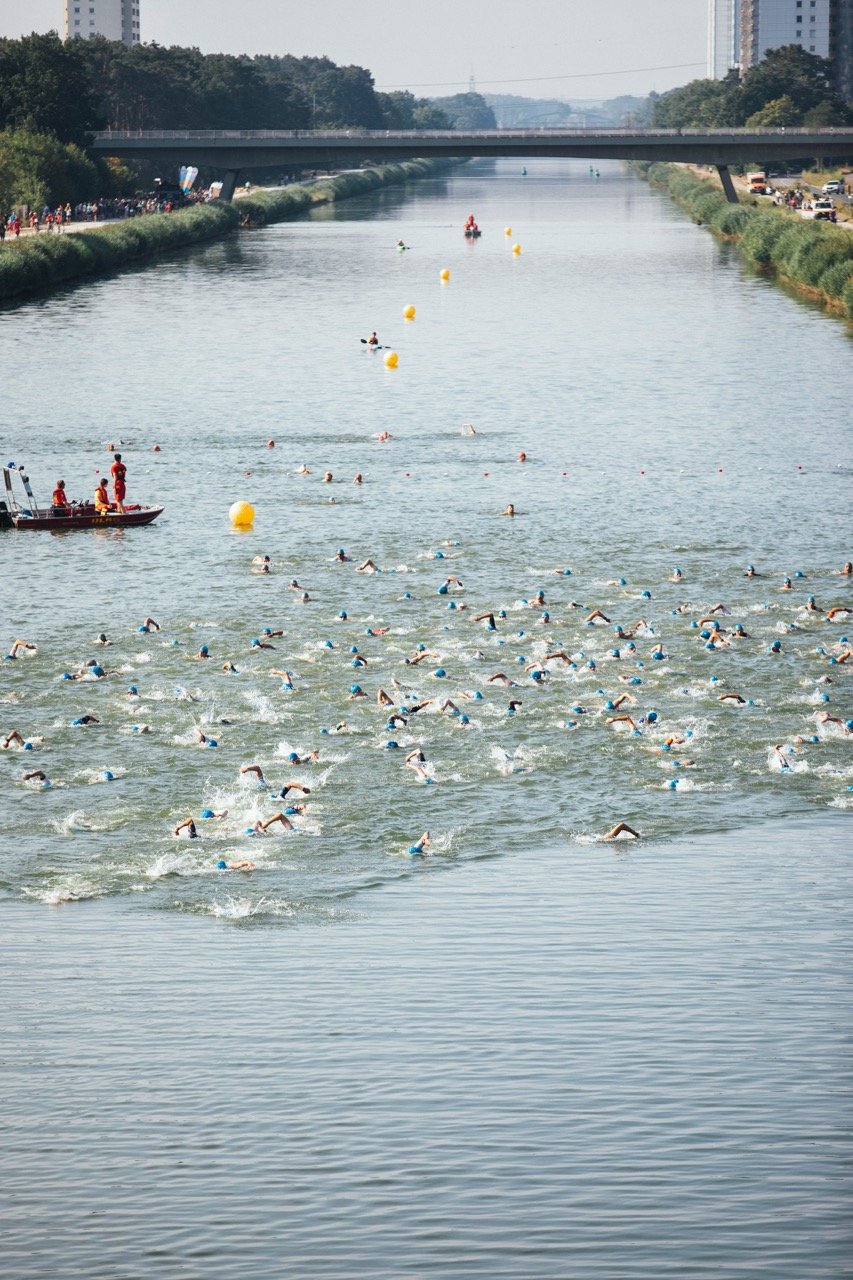
Swim
The swim usually takes place in open water: lakes, oceans, rivers. You learn very quickly that it’s not a spa experience. Sightlines are tough, currents can be cruel, wildlife is not ruled out and there’s a fair chance you’ll be kicked in the face.
Wetsuits? Optional in some cases, mandatory in others (depending on the water temperature). They make you faster. And warmer.
Bike
The longest leg. Also, the most technical. You need to be strong, aerodynamic, and know how to eat without falling over.
The rules of drafting, i.e. riding closely behind another cyclist to reduce wind resistance and save energy, vary. In non-drafting events (like most IRONMAN), you have to keep a certain distance behind the rider in front. Break the rule? You get a time penalty. And a lot of side-eye from fellow athletes.
Run
The final test. After hours of movement, you now have to hold your body upright and run. They call the transition from bike to run “bricks” for a reason. Your legs feel like concrete.
Transitions (aka the Fourth Discipline)
Transition 1 (T1): Swim to bike. You peel off your wetsuit, put on your helmet, slip into the cycling shoes and try not to fall over from dizziness.
Transition 2 (T2): Bike to run. Rack your bike, ditch the helmet, throw on your running shoes. Try to remember how to use your legs again.
Fast transitions can shave off minutes. They’re rehearsed, strategized, even obsessed over.
Pro vs Amateur: How to Tell the Difference
Wondering how to spot the pros on race day? Here’s how:
- Start Times: Pros usually start before the age groupers. If the announcer yells “Pro Men Start in 60 Seconds!”, you’re watching the elites.
- Race Kits: Professionals wear custom kits with sponsor logos and their last name boldly printed across their back. It’s their version of a business card.
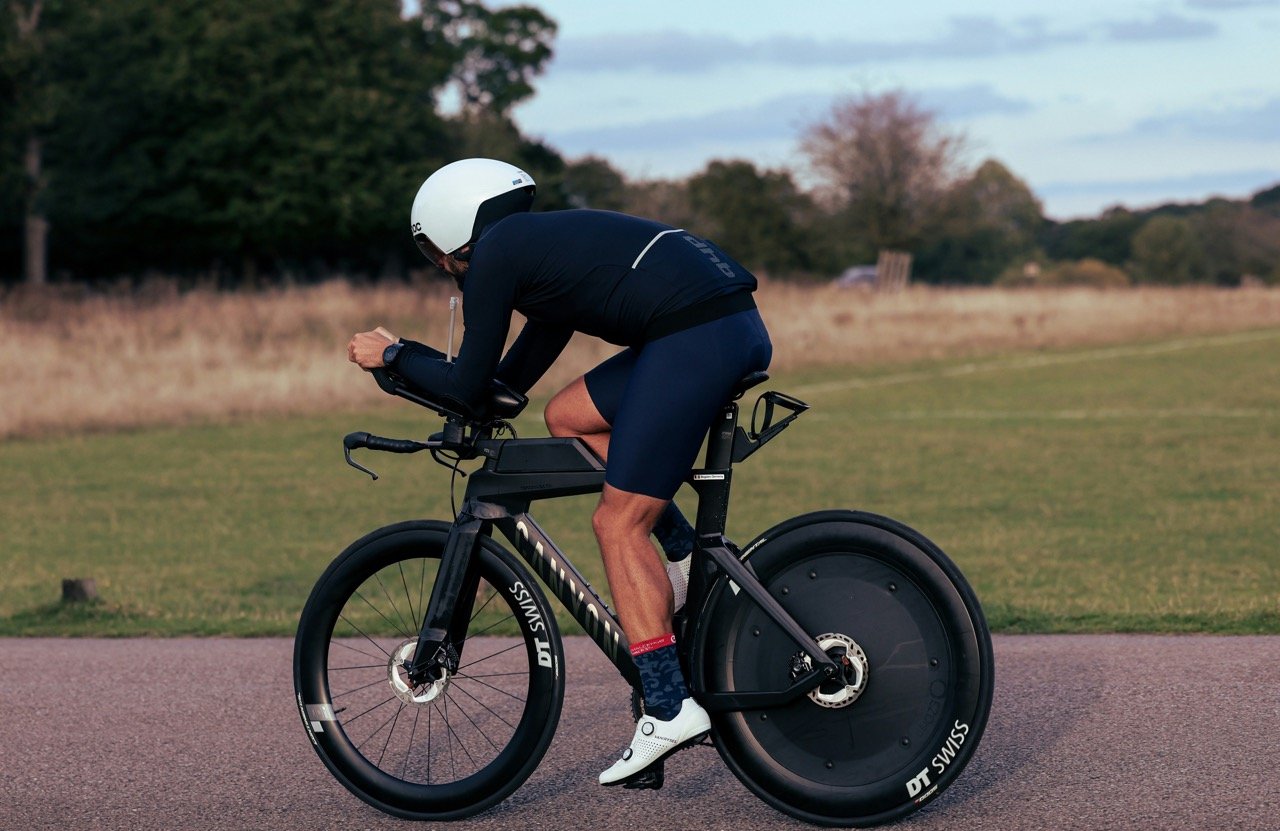
- Bike Setup: Pro bikes are next-level. Think deep carbon wheels, bottle cages designed by aerospace engineers, and price tags that rival used cars.
Age-groupers (aka amateurs) race by age category and compete for age-group rankings, personal bests, and sometimes a qualifying slot for the World Championship.
To “go pro” in triathlon (also called earning a pro license), an athlete must meet qualifying criteria set by their national triathlon federation.
Once granted a professional (elite) license, the athlete can:
- Start in the pro wave
- Compete for prize money
- Be listed in the professional results and rankings
Overall, IRONMAN racing has a complex point-based system for its athletes to compete over the prize money. Each IRONMAN Pro-affiliated athlete can potentially earn six-figure payouts from major races and year-end bonuses. Over the season, total professional prize money across events and bonus programs nears $6 million annually.
Kat Matthews is the current IRONMAN top-earner with the total win of $549,000 in 2024.
The Gear Rabbit Hole
Triathlon is not a cheap date. A decent beginner bike can cost around $2,000 – $3,000.. A high-end triathlon bike? Try $10,000. And that doesn’t include the power meter, race wheels, or carbon-plated running shoes that somehow make you feel like you’re flying.
Also part of the fun:
- Tri-suit (you wear it the whole time)
- Wetsuit
- Goggles
- Fuel belts
- GPS watches
All of which can easily end up to $50,000. If it sounds a bit like a NASA mission, you’re not wrong.
Triathlon Lifestyle
Training for Three
One of the toughest parts of triathlon is fitting it into a normal life. The average age-group athlete trains 8 to 15 hours a week. That includes swims at 6 a.m., long rides on weekends, and double sessions some days.
It requires time management. And support from the people around you..
Eating to Win
Fueling is its own science. In a long-distance triathlon, athletes consume hundreds of calories during the race. Gels, bars, bananas, sports drinks. Salt tablets are also key to prevent cramping.
On the bike, you eat. On the run, you survive. And in the days before the race? Pasta is your religion.
Community & Culture
Triathlon communities are incredibly tight-knit. Whether you’re a pro or someone trying to finish their first sprint race, there’s mutual respect.
Clubs offer group rides, coaching, and race support. The camaraderie is real. There are post-race hugs from strangers, shared war stories, and Instagram bios that proudly say: “IRONMAN finisher.”
And let’s be honest, the finisher medal does feel very earned.
Quick Guide: How to Sign Up for Your First Triathlon
- Pick a Distance: Start with Sprint or Olympic.
- Choose a Race: Local races are great. Search via sites like Ironman.com or your national triathlon federation.
- Train Smart: Join a club, hire a coach, or follow a beginner plan.
- Get the Gear: Don’t overspend at first. Rent a wetsuit. Borrow a road bike. Keep it simple.
- Practice Transitions: Set up mini race simulations in your backyard.
- Know the Rules: No drafting (unless it’s allowed). Helmet must be on before you touch your bike.
- Enjoy Race Day: It won’t be perfect. That’s part of the magic.
Triathlon is not just a sport. It’s a lifestyle, a community, a personal revolution. Whether you’re chasing the podium or just chasing the finish line, you’ll never forget your first.
Just remember to smile at the finish. You paid for that medal, after all.